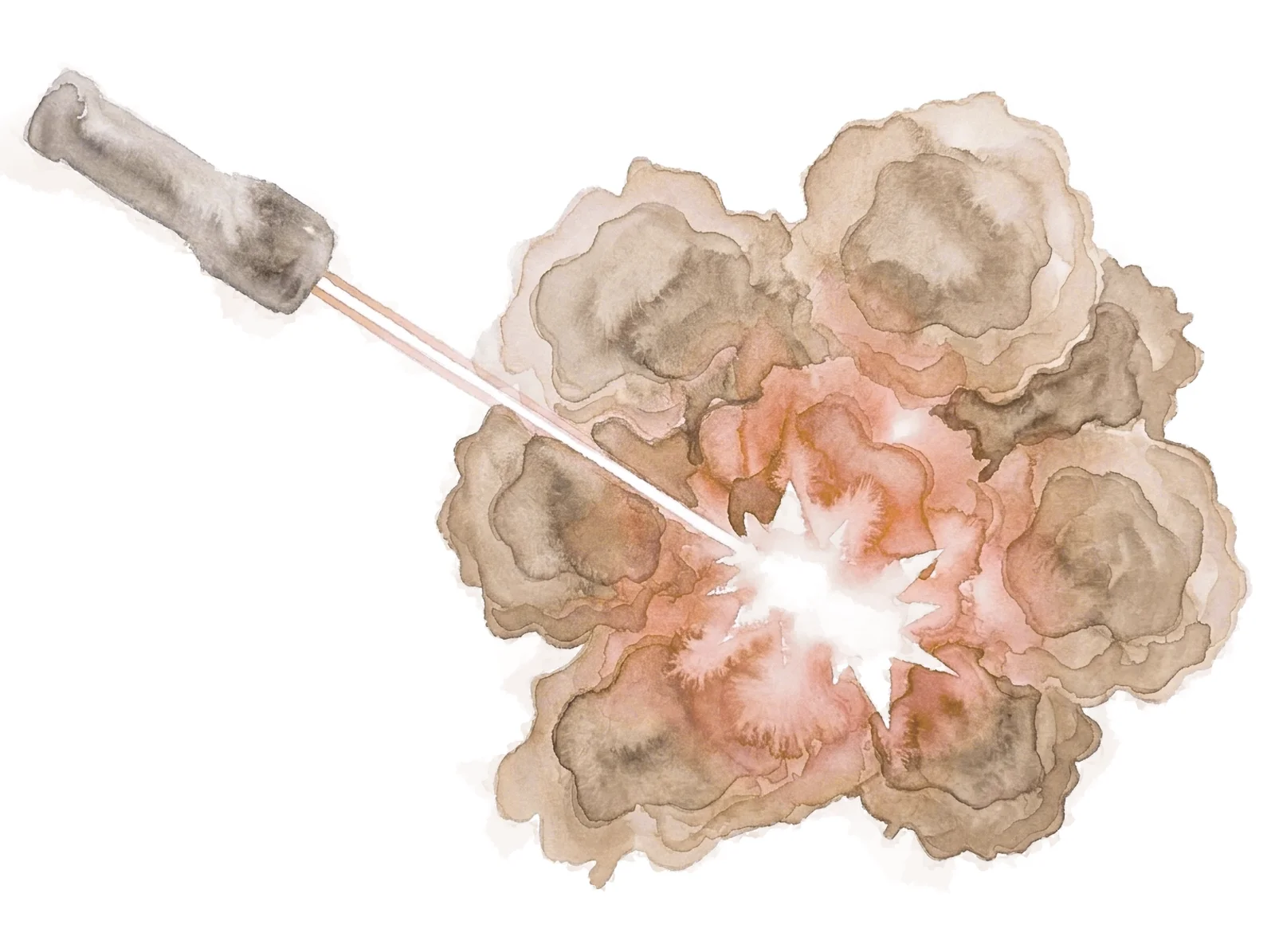
Photodynamic therapy
Photodynamic therapy uses light-activated photosensitizers to produce reactive oxygen species and destroy target cells. We engineer synergistic regimens to translate initial responses into durable cures.
Photo | nanomedicine
We engineer light-activated theranostics — that deploy localized ROS bursts to combat cancer drug resistance.
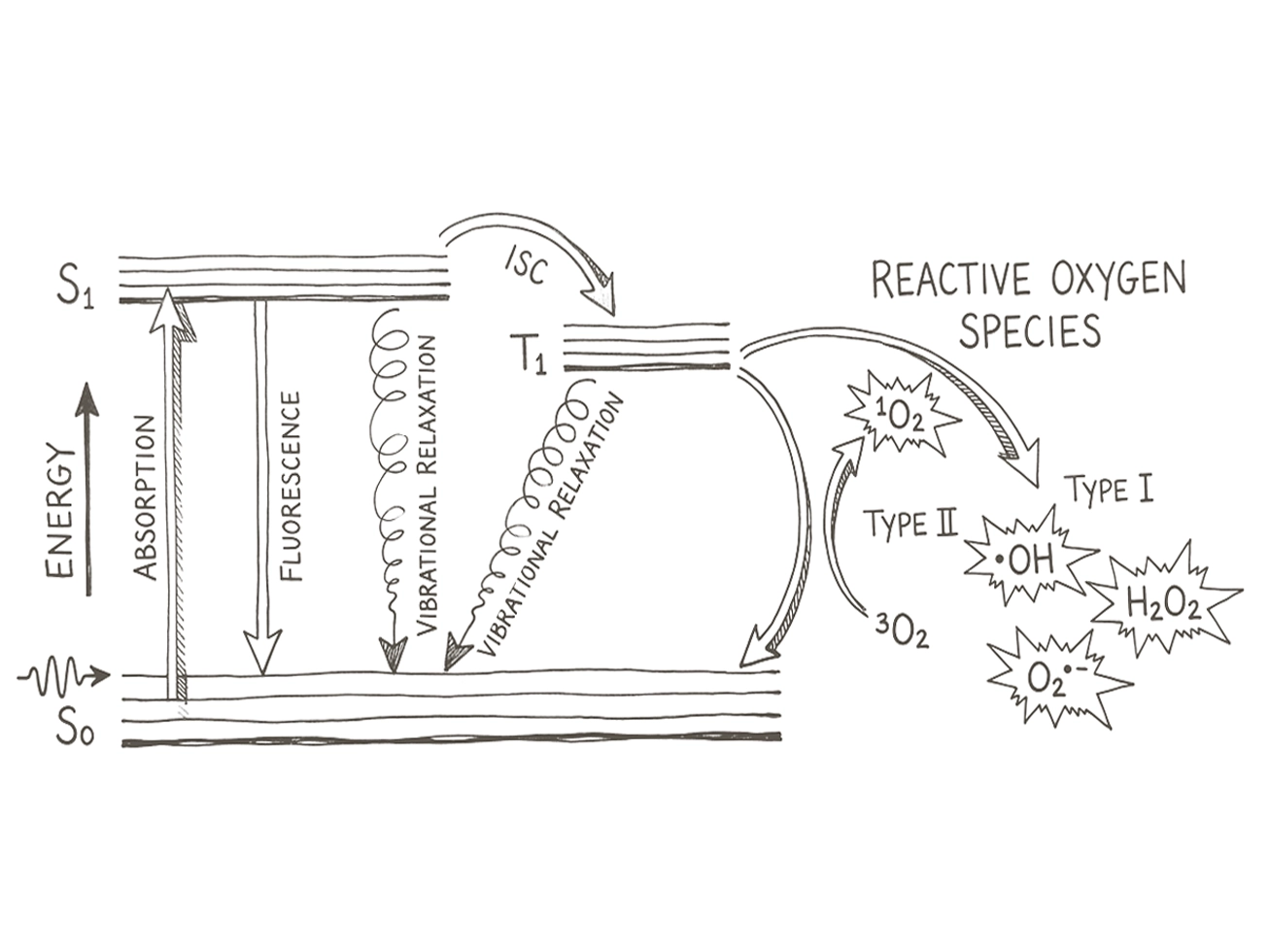
Photodynamic therapy uses light-activated photosensitizers to produce reactive oxygen species and destroy target cells. We engineer synergistic regimens to translate initial responses into durable cures.
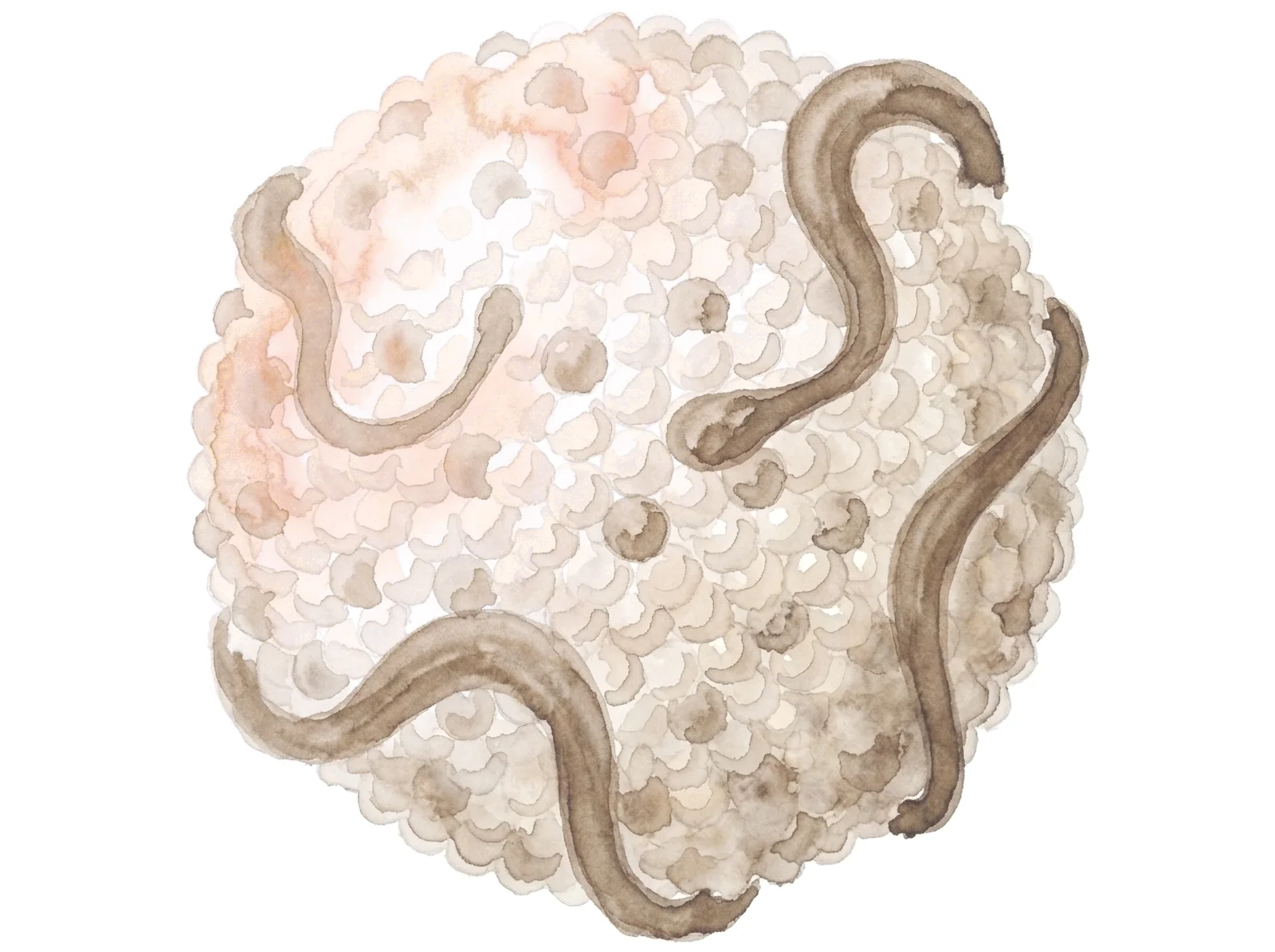
Leveraging cancer's appetite for lipids, we engineer synthetic lipoprotein nanoplatforms. These "Trojan horse" carriers cross barriers to deliver photosensitizers directly to tumor cells with high metabolic demand.
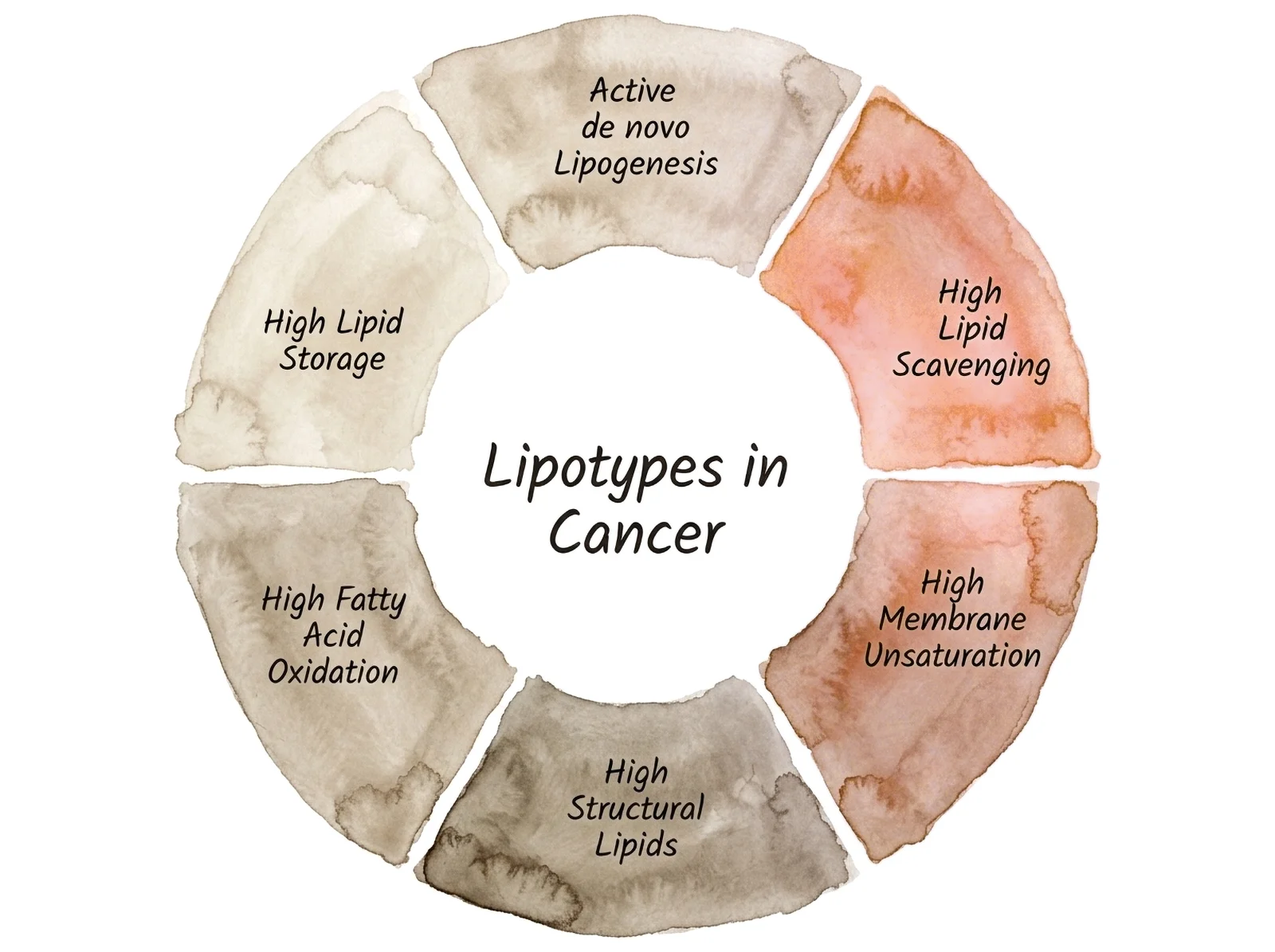
Lipids bridge cellular architecture and function. Rewired tumor lipidomes create distinct vulnerabilities. We engineer photodynamic theranostics that exploit these weaknesses with spatiotemporal precision.
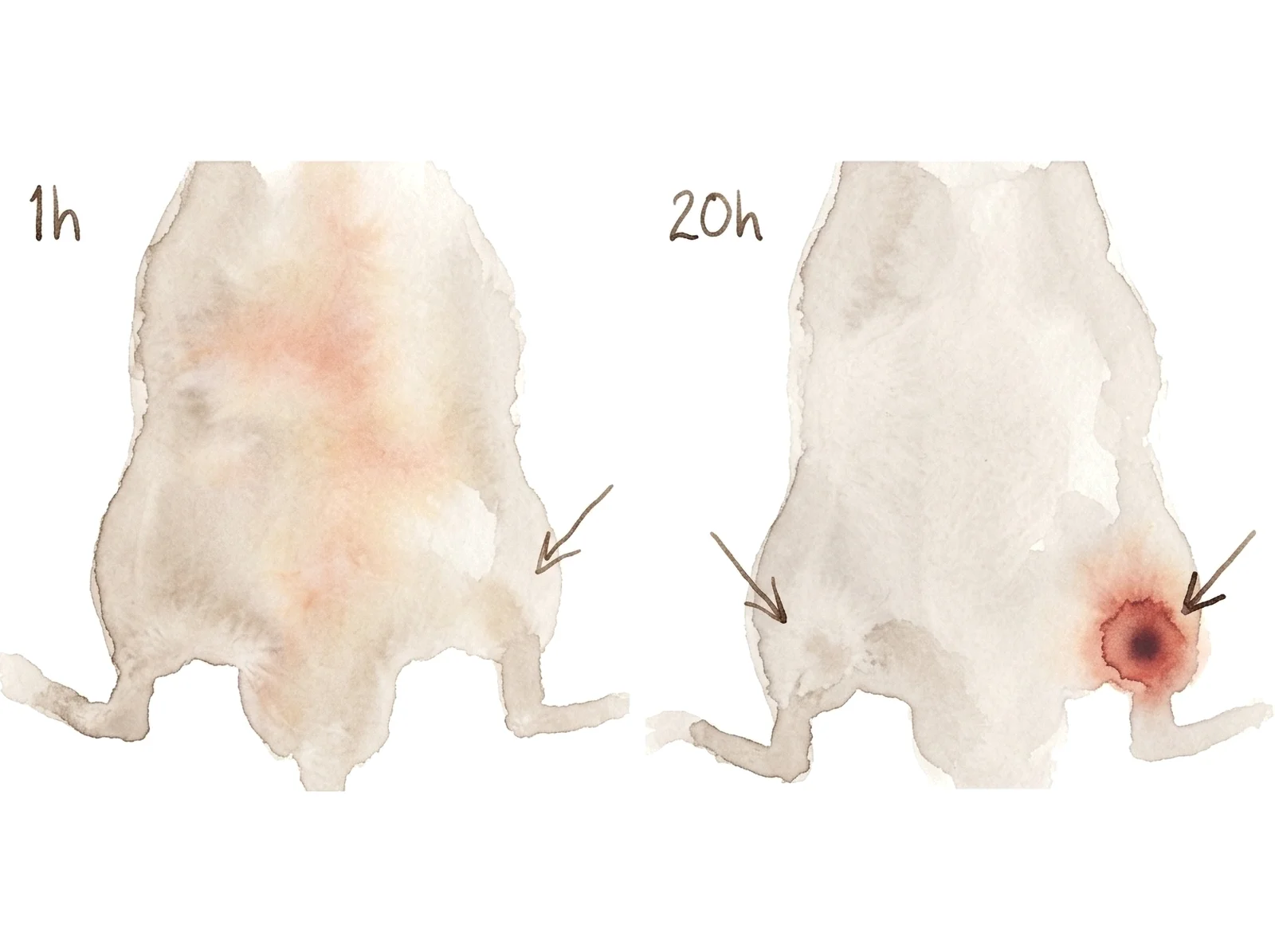
Photosensitizers are inherently theranostic: dual fluorescence and photodynamic traits enable real-time image guidance to map tumors, followed immediately by light-induced cell killing at surgical margins.
Operating at the intersection of photochemistry, nanomedicine, and cancer biology, the Overchuk Lab engineers light-activatable, biomimetic theranostics to overcome treatment resistance.
We train scientists to seamlessly navigate the full preclinical pipeline—synthesizing novel compounds, formulating advanced nanoplatforms, and evaluating their efficacy in advanced tumor models.


