What we work on
Research
We engineer light-activated theranostics — that deploy localized ROS bursts to combat cancer drug resistance.
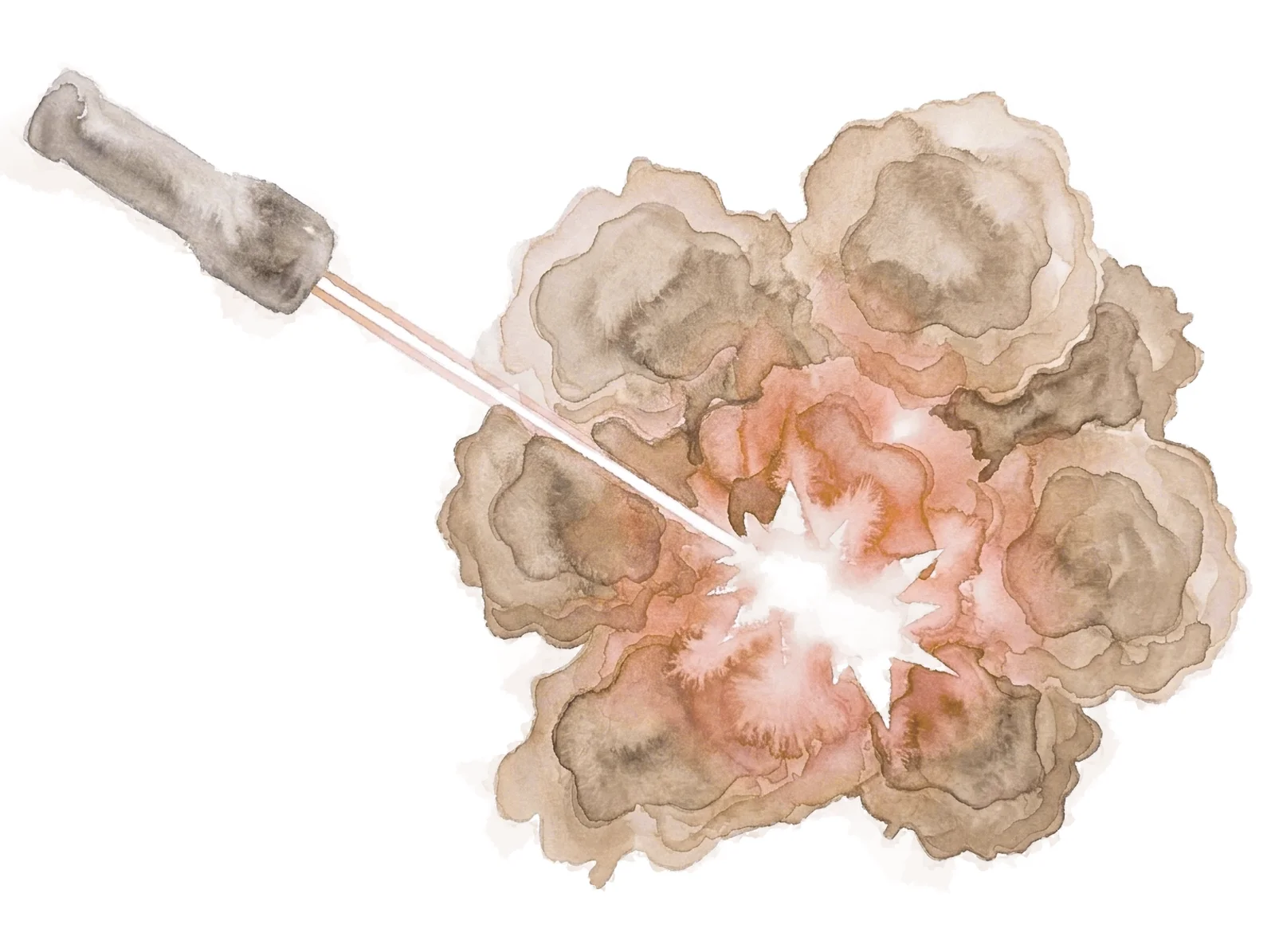
Photodynamic therapy
Photodynamic therapy uses light-activated photosensitizers to produce reactive oxygen species and destroy target cells. We engineer synergistic regimens to translate initial responses into durable cures.
At the intersection of optics, photochemistry, and medicine, photodynamic therapy (PDT) harnesses light energy to activate inert photosensitizers, unleashing a localized surge of reactive oxygen species (ROS) that selectively destroys target cells.
The true elegance of PDT lies in its spatial control: the therapy is activated only when and where light and photosensitizer meet. By tuning light parameters and photosensitizer delivery, we can precisely calibrate the degree of tumor damage while safeguarding healthy tissue.
Only FDA-approved for select oncology and dermatological indications—including actinic keratosis, basal cell carcinoma, esophageal and lung cancers, and cutaneous T-cell lymphoma—PDT still holds immense potential to deliver safer, gentler, and more durable therapies across a broad spectrum of malignancies.
Our lab looks beyond single-agent paradigms to discover how light reshapes tumor biology when paired with chemotherapy, biologics, or targeted agents. Our goal: engineering the exact dosing, timing, and sequence needed to turn initial therapeutic responses into lasting cures.
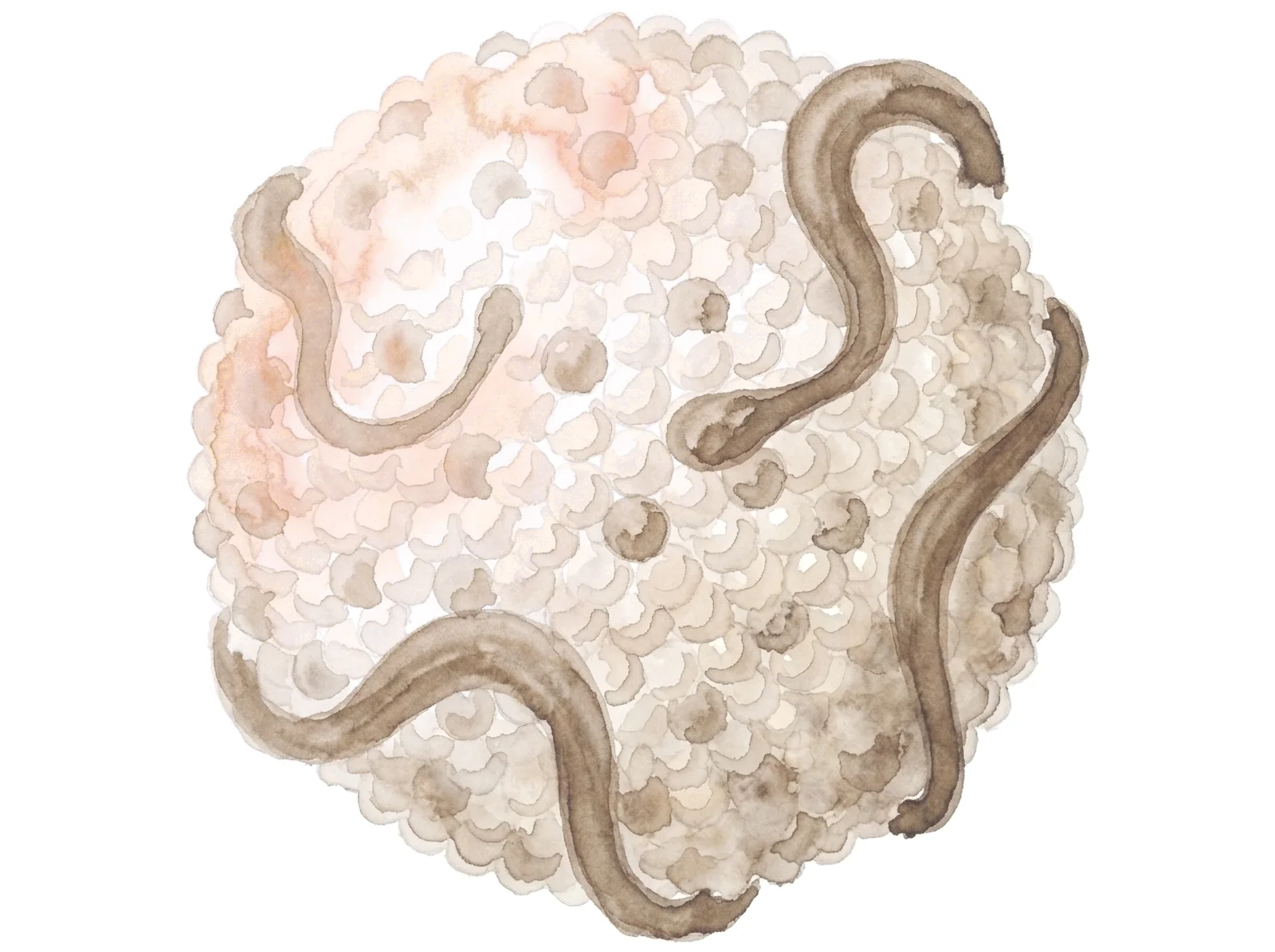
Biomimetic nanotechnology
Leveraging cancer's appetite for lipids, we engineer synthetic lipoprotein nanoplatforms. These "Trojan horse" carriers cross barriers to deliver photosensitizers directly to tumor cells with high metabolic demand.
Many promising therapeutics, including powerful photosensitizers, are poorly soluble in water and require specialized delivery vehicles. While pharmaceutical scientists have spent decades engineering synthetic carriers, biology has already evolved an elegant, built-in solution: lipoproteins.
In human physiology, these natural protein-lipid nanoparticles traffic hydrophobic lipids throughout the bloodstream to maintain systemic homeostasis.
As tumors grow, their aggressive metabolic demands drive an insatiable appetite for external lipids, forcing them to upregulate lipoprotein receptors.
Our lab capitalizes on this metabolic rewiring to engineer nature-inspired, synthetic lipoprotein nanoplatforms. By mimicking native lipid transport machinery, we construct "Trojan horse" nanocarriers that selectively target cancer’s metabolic vulnerabilities—delivering photosensitizers and therapeutic co-payloads directly into tumor cells while sparing healthy tissues.
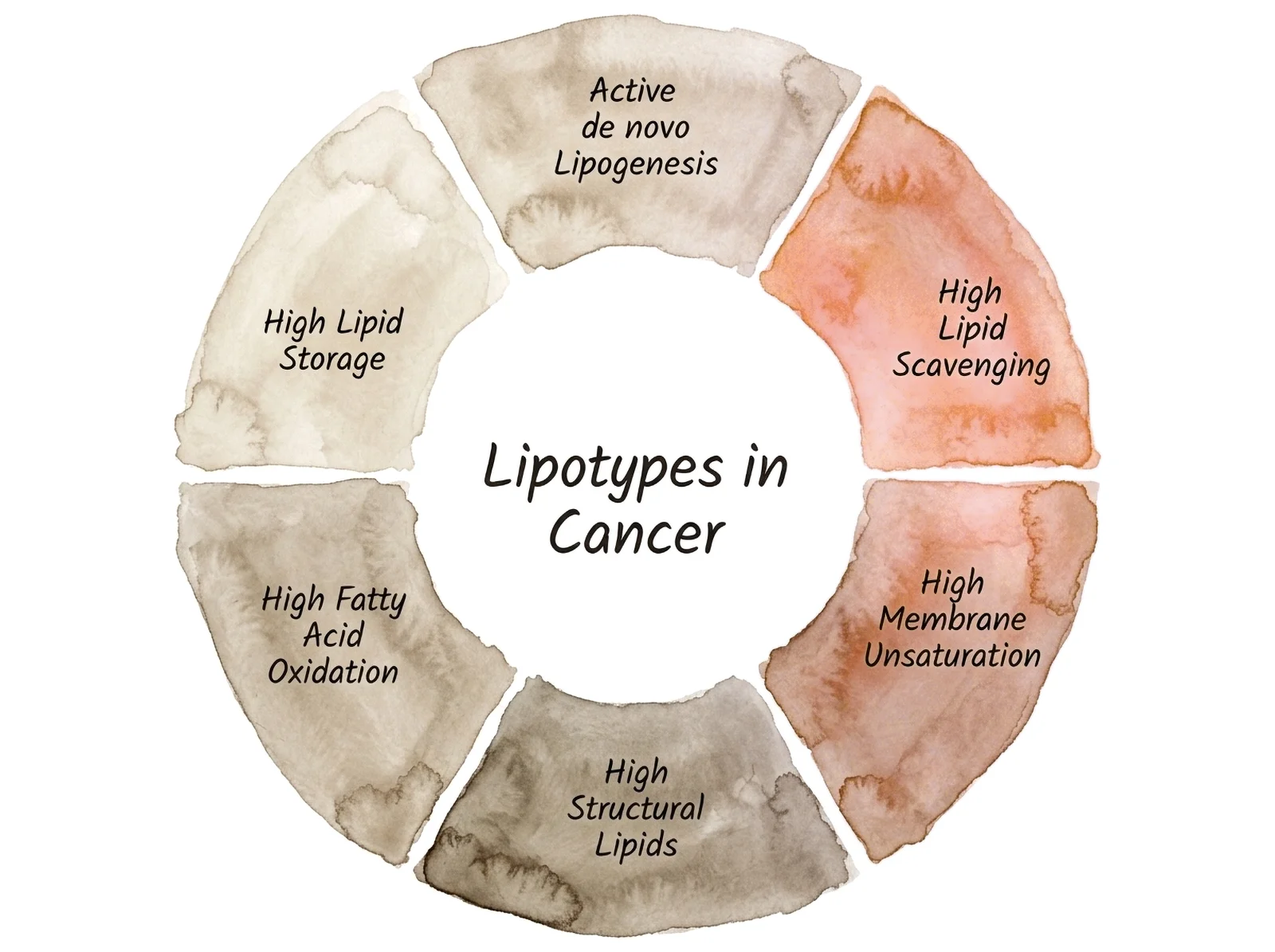
Lipidome targeting
Lipids bridge cellular architecture and function. Rewired tumor lipidomes create distinct vulnerabilities. We engineer photodynamic theranostics that exploit these weaknesses with spatiotemporal precision.
To survive treatment stress, tumors undergo profound lipidomic reprogramming, fundamentally rewiring how they acquire, synthesize, store, and break down lipids. Yet this adaptive mechanism creates therapeutic opportunity.
For example, chemotherapy-resistant cells often load their membranes with polyunsaturated lipids, leaving them exquisitely susceptible to lipid peroxidation and ferroptotic cell death.
The Overchuk Lab discovered a unique way around this challenge: photodynamic therapy inherently acts upon multiple lipidomic axes simultaneously, triggering distinct, non-overlapping cell death pathways in chemoresistant cells with unprecedented spatiotemporal precision.
Building on this discovery, we engineer nature-inspired theranostics designed to rationally target these vulnerabilities—aligning our photodynamically active platforms with the precise metabolic phenotype of the tumor to turn cancer’s structural armor into an active trigger for cell death.
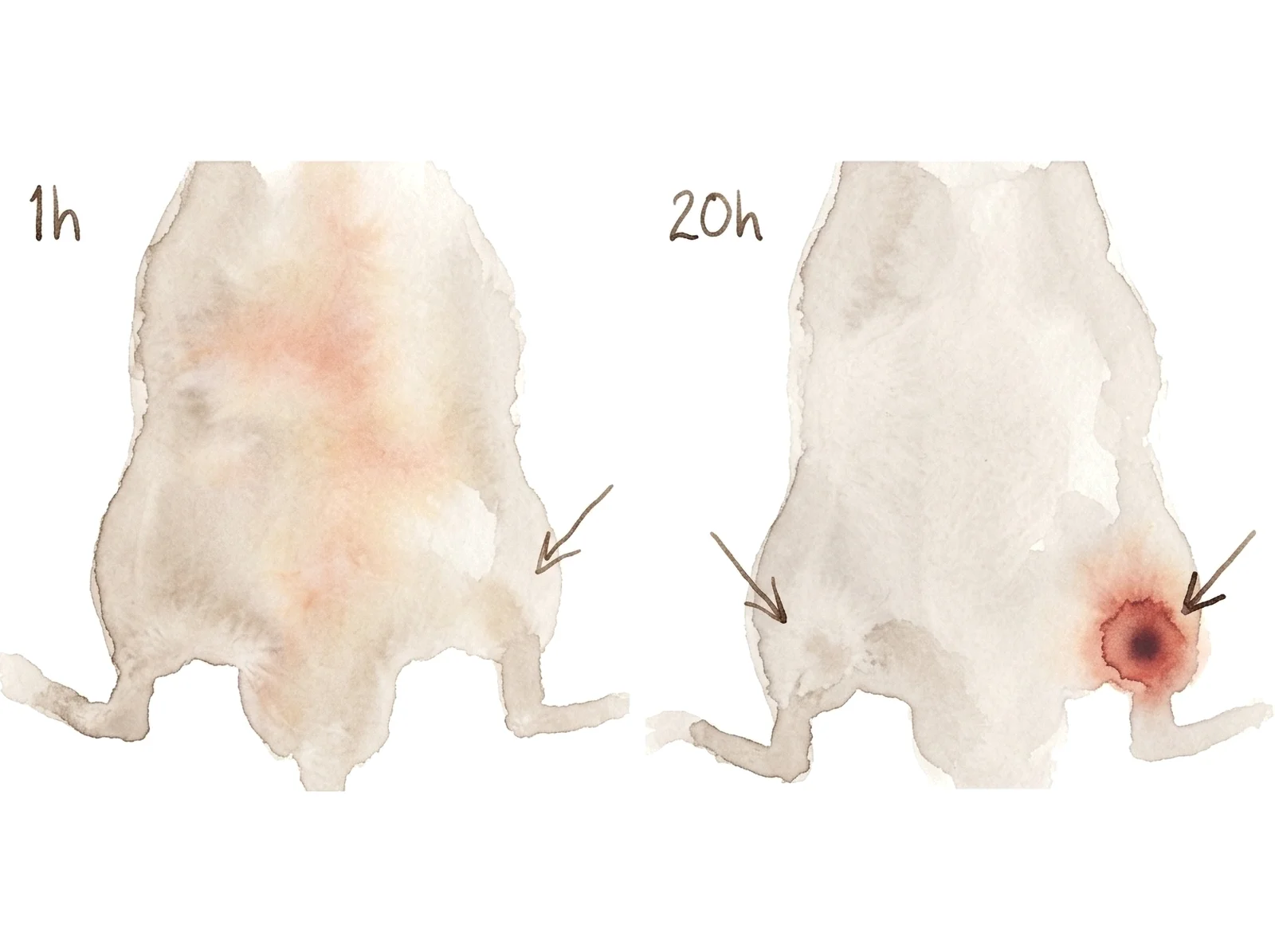
Theranostics
Photosensitizers are inherently theranostic: dual fluorescence and photodynamic traits enable real-time image guidance to map tumors, followed immediately by light-induced cell killing at surgical margins.
Beyond their cytotoxic power, most photosensitizers are inherently fluorescent, offering an optical means of tracking their precise trajectory through cells and tissues. This dual nature unlocks a transformative paradigm: fluorescence-guided surgery combined with immediate intraoperative photodynamic therapy (PDT).
A similar approach is already prolonging survival in Japan for glioblastoma, where complete surgical resection is nearly impossible due to infiltrative tumor margins. Our lab aims to translate this strategy to other advanced and metastatic malignancies, such as ovarian and colorectal cancers.
To achieve this, we are engineering theranostic agents designed to illuminate tumor boundaries for precise surgical removal, before using targeted light to destroy any remaining, non-resectable disease.
This approach arms clinicians with a dynamic two-in-one tool: high-contrast visualization during resection, followed by the light-triggered cytotoxicity needed to mop up the microscopic cells that drive chemoresistant relapse.